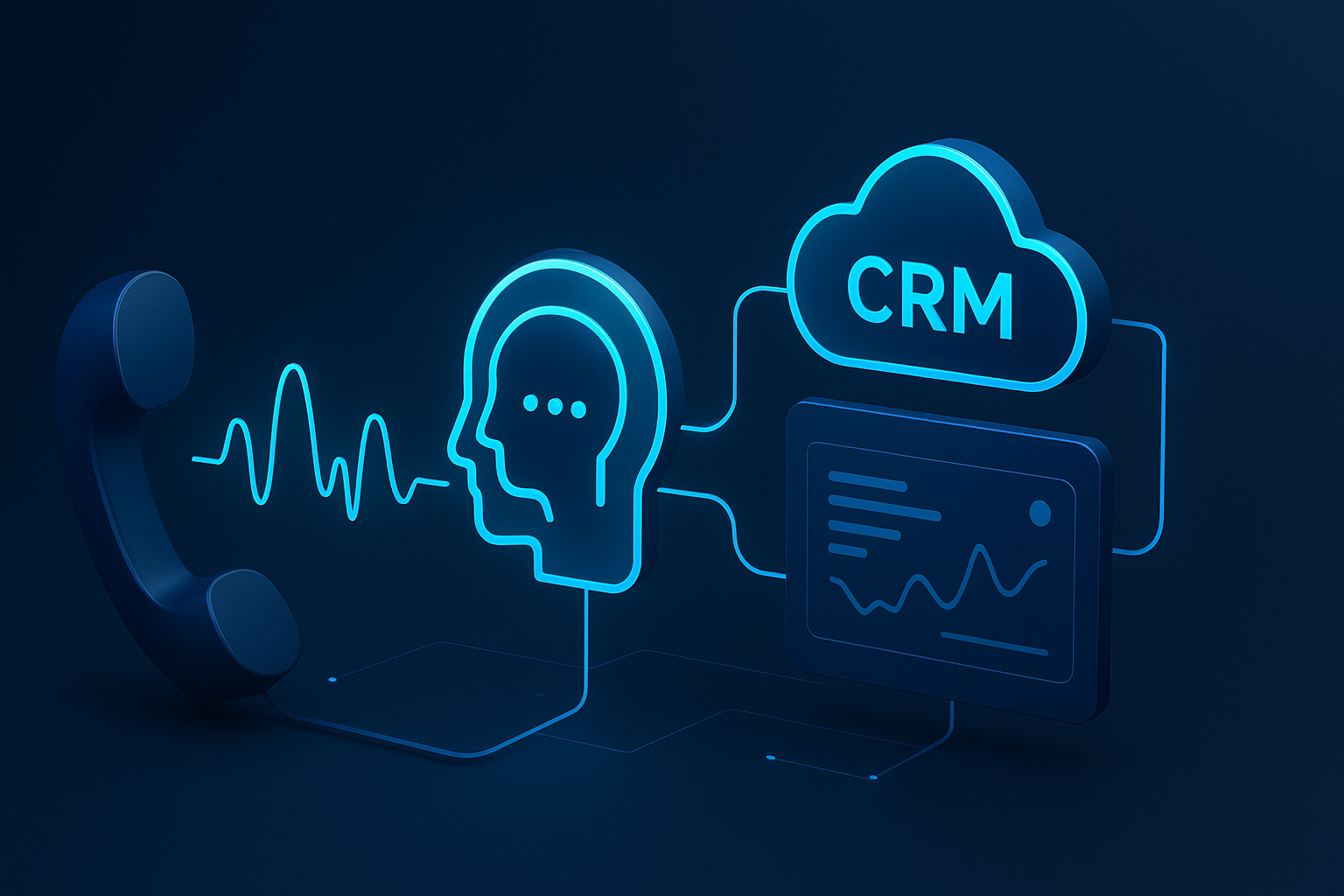
Introduction to Contextual Understanding in Voice AI
Voice AI systems have advanced significantly, enabling machines to not only recognize speech but also understand the context of conversations. This capability is crucial for delivering more accurate and relevant responses, thereby enhancing user interaction and satisfaction. Contextual understanding in Voice AI involves several complex processes and technologies that work together to interpret the nuances of human language.
The Role of Natural Language Processing (NLP)
Natural Language Processing (NLP) is at the core of how Voice AI systems understand context. NLP involves the application of computational techniques to analyze and synthesize natural language and speech. This includes:
- Tokenization: Breaking down spoken language into manageable pieces.
- Part-of-Speech Tagging: Identifying the grammatical roles of words.
- Named Entity Recognition (NER): Detecting and classifying key information such as names, dates, and places.
- Sentiment Analysis: Determining the emotional tone behind words.
These NLP components allow Voice AI to capture the essence of conversations, facilitating a deeper understanding of user intent and context.
Machine Learning and Contextual Awareness
Machine learning algorithms play a pivotal role in enhancing the contextual awareness of Voice AI. By training on vast datasets, these algorithms learn to recognize patterns and make predictions. Key aspects include:
- Supervised Learning: Using labeled data to train models on specific tasks.
- Unsupervised Learning: Discovering hidden patterns without explicit labels.
- Reinforcement Learning: Improving models through trial and error.
These techniques enable Voice AI to adapt to new contexts and improve its performance over time.
Semantic Understanding and Contextual Inference
Semantic understanding involves grasping the meaning behind words and phrases. Voice AI systems utilize semantic networks and ontologies to relate words to their meanings and infer context. This includes:
- Word Embeddings: Representing words in a vector space to capture semantic relationships.
- Contextual Embeddings: Using models like BERT to understand word meaning based on surrounding text.
- Pragmatic Analysis: Considering the speaker's intent and situational context.
These semantic tools help Voice AI systems interpret complex language structures and deliver contextually appropriate responses.
Integration with Dialynx for Enhanced Voice Automation
Dialynx leverages advanced Voice AI technologies to offer robust inbound and outbound voice automation solutions for enterprises. By integrating contextual understanding capabilities, Dialynx enables businesses to:
- Improve Customer Interaction: Deliver personalized and context-aware responses.
- Enhance Operational Efficiency: Automate routine tasks with high accuracy.
- Gain Insights: Analyze interactions to uncover trends and improve service offerings.
With Dialynx, enterprises can harness the power of Voice AI to transform their customer engagement strategies.
Challenges and Future Directions
Despite significant advancements, Voice AI still faces challenges in understanding context. These include:
- Ambiguity Resolution: Differentiating between multiple meanings of words.
- Cross-Language Understanding: Handling multilingual interactions.
- Real-Time Processing: Ensuring quick and accurate responses.
Future developments in Voice AI will likely focus on improving these areas, leveraging advancements in deep learning and cognitive computing to enhance contextual understanding further.
Frequently Asked Questions
What is contextual understanding in Voice AI?
Contextual understanding in Voice AI refers to the system's ability to grasp the meaning and intent behind spoken language, considering the nuances and situational context of conversations.
How does NLP contribute to Voice AI's contextual understanding?
NLP contributes by breaking down language into understandable elements, identifying grammatical roles, recognizing entities, and analyzing sentiment, which collectively helps Voice AI interpret the context of conversations.
What role does Dialynx play in voice automation?
Dialynx provides enterprise solutions for inbound and outbound voice automation, utilizing advanced Voice AI technologies to deliver context-aware and personalized customer interactions.
What are the challenges in achieving contextual understanding in Voice AI?
Challenges include resolving ambiguities, handling multilingual interactions, and ensuring real-time processing for accurate and timely responses.
Automate Your Phone Operations with Dialynx
Deploy custom AI inbound receptionists and outbound sales agents that sound human, qualify leads 24/7, and sync with your CRM.